

How small failures become enterprise-wide incidents.
Modern systems rarely fail because of a single broken component.
They fail because dependencies compound, trust layers collapse, and shared infrastructure amplifies impact faster than organizations can react.

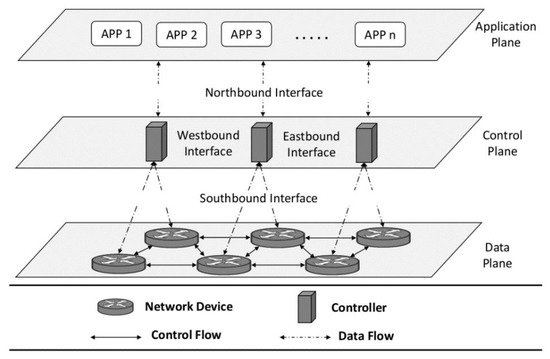

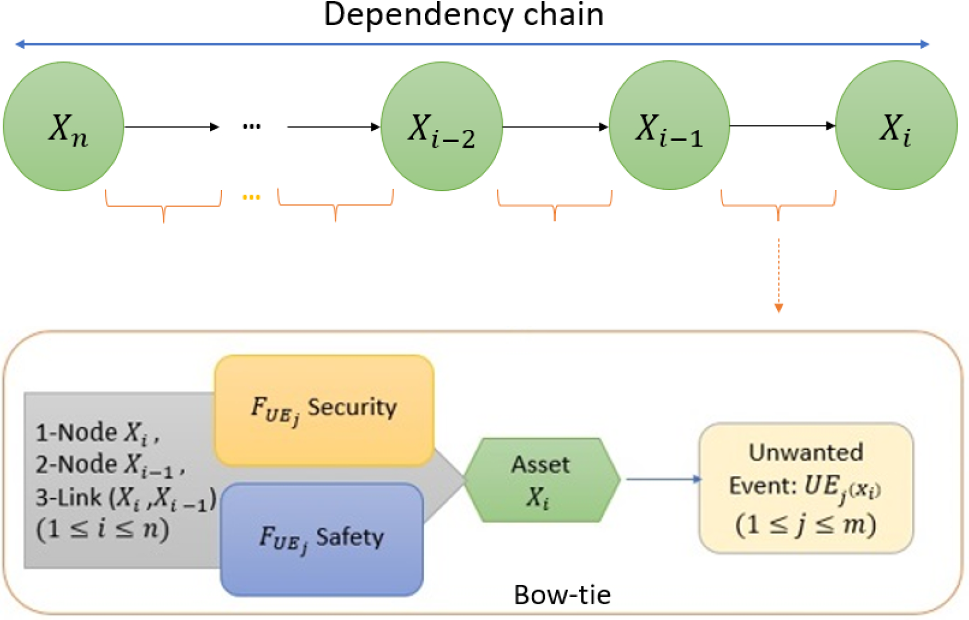
DNS Blast Radius is Perfacuity’s platform for measuring how far a failure can travel—across infrastructure, providers, protocols, and control planes—before it becomes a business crisis.
This is not monitoring.
This is systemic risk exposure analysis.
👉 Explore the microsite: https://DNSblast.perfacuity.com
Purpose
DNS Blast Radius exists to make hidden fragility visible—before it becomes revenue loss, reputational damage, or operational paralysis.
It reveals:
- Single points of failure disguised as redundancy
- Dependency concentration across vendors and platforms
- Trust layers that fail instantly and recover slowly
- Risks that do not appear in uptime dashboards
Blast Radius answers the question leaders ask after major incidents:
“Why did something so small take down so much?”
Mission
Translate deep technical dependency risk into decision-ready business intelligence.
Blast Radius is built for:
- C-level executives accountable for availability, revenue, and trust
- Risk and resilience leaders managing systemic exposure
- SRE and Operations teams tasked with hardening systems before failure
It aligns technical reality with business consequence, so risk can be:
- Understood
- Prioritized
- Governed
- Reduced
What Blast Radius Measures
DNS Blast Radius evaluates six critical failure domains that repeatedly amplify modern outages.
Each can fail independently.
The real danger emerges when they fail together.
CDN Catastrophic Outage
How much of your availability depends on a single CDN decision?
- Assesses exposure to single-provider CDN architectures
- Identifies concentration risk masked as “multi-region” deployments
- Evaluates redundancy and failover realism
Why it matters:
A global CDN outage can make an entire enterprise disappear in seconds.
DNS Resilience
Can your domain survive a DNS provider failure?
- Analyzes DNS provider diversity and delegation strategy
- Evaluates recoverability during provider-level outages
- Identifies brittle configurations that slow or block resolution
Why it matters:
If DNS fails, nothing else is reachable—no matter how healthy it is.
BGP Routing Risk
Are your routes protected—or exposed—to the global internet?
- Evaluates ROA signing and RPKI coverage
- Identifies exposure to route leaks and hijacking
- Highlights missing or weak routing security controls
Why it matters:
BGP failures don’t degrade gracefully—they redirect or blackhole traffic.
Dependency Surface
How much of your application relies on systems you don’t control?
- Maps third-party JavaScript and API dependencies
- Identifies hidden digital supply-chain risk
- Highlights dependencies that silently expand blast radius
Why it matters:
Every external dependency is borrowed reliability.
TLS / Certificate Chain
Will users still trust your site tomorrow?
- Validates certificate chains and trust paths
- Identifies expiration and renewal risk
- Detects misconfigurations that cause browser warnings or hard failures
Why it matters:
Trust failures are instant, public, and difficult to reverse.
Email Trust Layer (Inbound & Outbound Risk)
Can you still communicate—and be trusted—during an incident?
- Evaluates SPF, DKIM, and DMARC for both sending and receiving scenarios
- Identifies spoofing and impersonation risk during outages or degraded states
- Assesses deliverability failure modes when DNS, TLS, or infrastructure is under duress
- Highlights conditions where legitimate outbound mail is rejected or silently dropped
Why it matters:
During incidents, email becomes a critical control plane—for customer communication, executive coordination, password resets, and security response.
If email trust breaks:
- Customers don’t receive updates
- Recovery workflows fail
- Attackers exploit confusion
Email risk is operational risk, not just reputational.
What Makes Blast Radius Different
Traditional tools answer:
- Is it up?
- Is it slow?
Blast Radius answers:
- How fragile is this system?
- Where does failure propagate?
- Which risks compound instead of degrade gracefully?
It shifts organizations from:
Reactive outage response
to
Proactive risk reduction
For Executives & Risk Leaders
Blast Radius provides:
- Clear visibility into systemic exposure
- Evidence-based prioritization of mitigation efforts
- Language that connects technical decisions to business risk
This is how infrastructure risk becomes governable.
For SRE & Operations
Blast Radius delivers:
- Architectural insight beyond uptime metrics
- Evidence to justify redundancy and hardening work
- A shared risk model executives actually understand
It doesn’t replace operational tooling.
It tells you where to apply it first.
Relationship to Software Performance Risk Management (SPRM)
Blast Radius is a core pillar of Perfacuity’s Software Performance Risk Management (SPRM) framework, alongside:
- Web Performance Analyzer (WPA)
- Application and CDN performance analysis
- DCAA
Together, they answer one question:
“Where are we exposed—and what does that exposure cost us?”
Call to Action
Outages don’t spread randomly. They follow dependency paths.
→ Explore Blast Radius: https://DNSblast.perfacuity.com
→ Understand Your Exposure
→ Talk to Perfacuity